Conference speaking takes preparation, travel, and sometimes a little self-doubt. After a recent talk at Atlanta Developers' Conference, one attendee's feedback was a reminder that the real value is what people take back to work and put into practice.
Memory prices are rising as AI infrastructure demand redirects supply, and even a 16GB Raspberry Pi 5 costs more than three times its launch price. The author reflects on software bloat and his own efforts to make applications smaller through Go, Alpine Linux, lightweight desktops, and AI-assisted rewrites backed by measurement and tests.
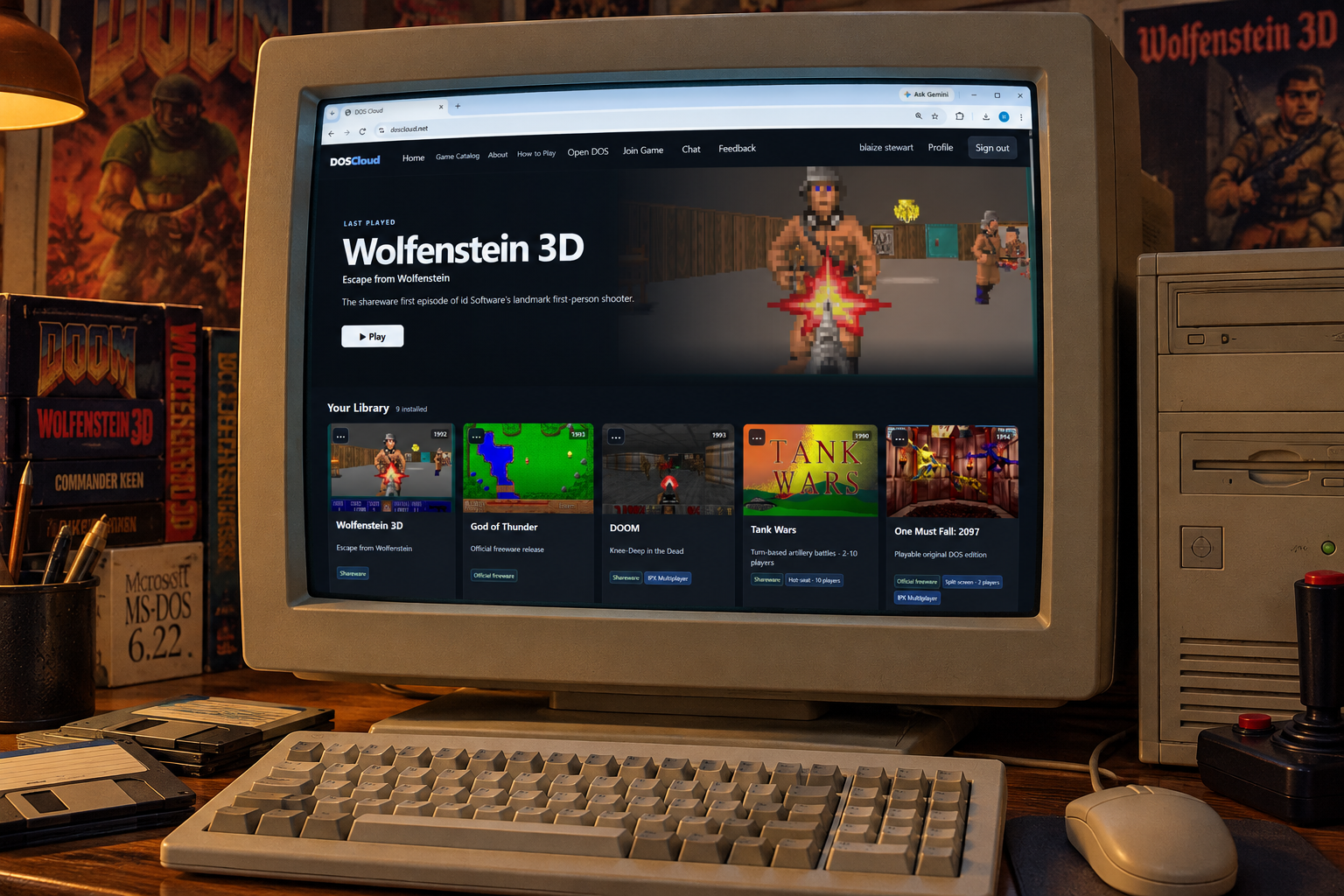
DOSCloud began as a fictional retro gaming company used to demonstrate application modernization. It became a real browser-based DOS platform combining centralized storage, IPX multiplayer, shared-console gaming, BBS door games, containers, and modern cloud architecture.
AI has become ubiquitous in sales messaging at the same time that consumers are increasingly skeptical of AI-generated content and many enterprises are still struggling to convert AI activity into measurable returns. This article argues that vendors and internal technology teams should stop leading with AI and start with the business problem. AI should compete with automation, integration, process redesign, and simpler software on cost, quality, speed, and measurable value.
This article identifies four emerging pieces of enterprise AI infrastructure. Model infrastructure provides model access, hosting, inference, routing, metering, and lifecycle services. Agent infrastructure provides runtime, identity, tools, state, observability, and lifecycle management for agents. MCP infrastructure governs standardized access to tools and services. Context infrastructure assembles trusted enterprise context across metadata, semantics, ownership, provenance, policy, and operational state. Existing services from Microsoft, AWS, Google, and others show that these categories are already beginning to take shape.
PwC's 29th Global CEO Survey found that 56 percent of CEOs reported neither higher revenue nor lower costs from AI, while only 12 percent reported both. This article argues that the result is predictable when organizations lead with AI instead of business value. It distinguishes technical pilot success from economic success, explains why measurement must change capital-allocation decisions, and argues that AI should compete for investment on measurable outcomes like any other technology.
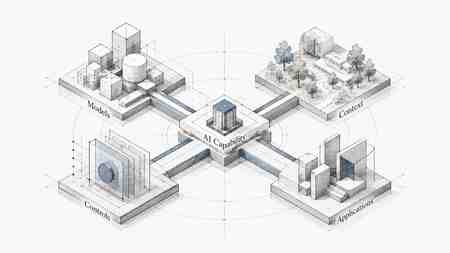
AI increasingly appears across models, modalities, enterprise context, security controls, economics, general-purpose tools, SaaS features, point solutions, workflows, and agents. This article defines AI as an enterprise capability and proposes a working model built around models, context, controls, applications, operating responsibility, and value.
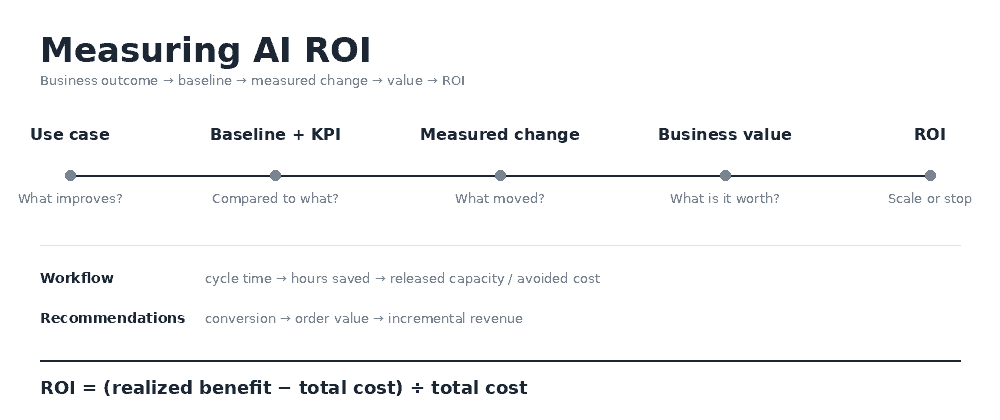
A practical framework for measuring AI ROI from individual use cases through an enterprise portfolio. The article distinguishes adoption and technical health from business value, explains how to translate time saved and operational improvements into economic outcomes, and argues for baselines, attribution, full costs, and stop-or-scale decisions.
A pair of $25 Chromebooks became an unexpected test of how far desktop Linux has come. Windows technically worked but consumed too much of the machines' limited storage and required more hardware-specific effort. Linux with Xfce was lean, functional, and unexpectedly uneventful. The remaining problems increasingly come from ecosystem support rather than the desktop itself.